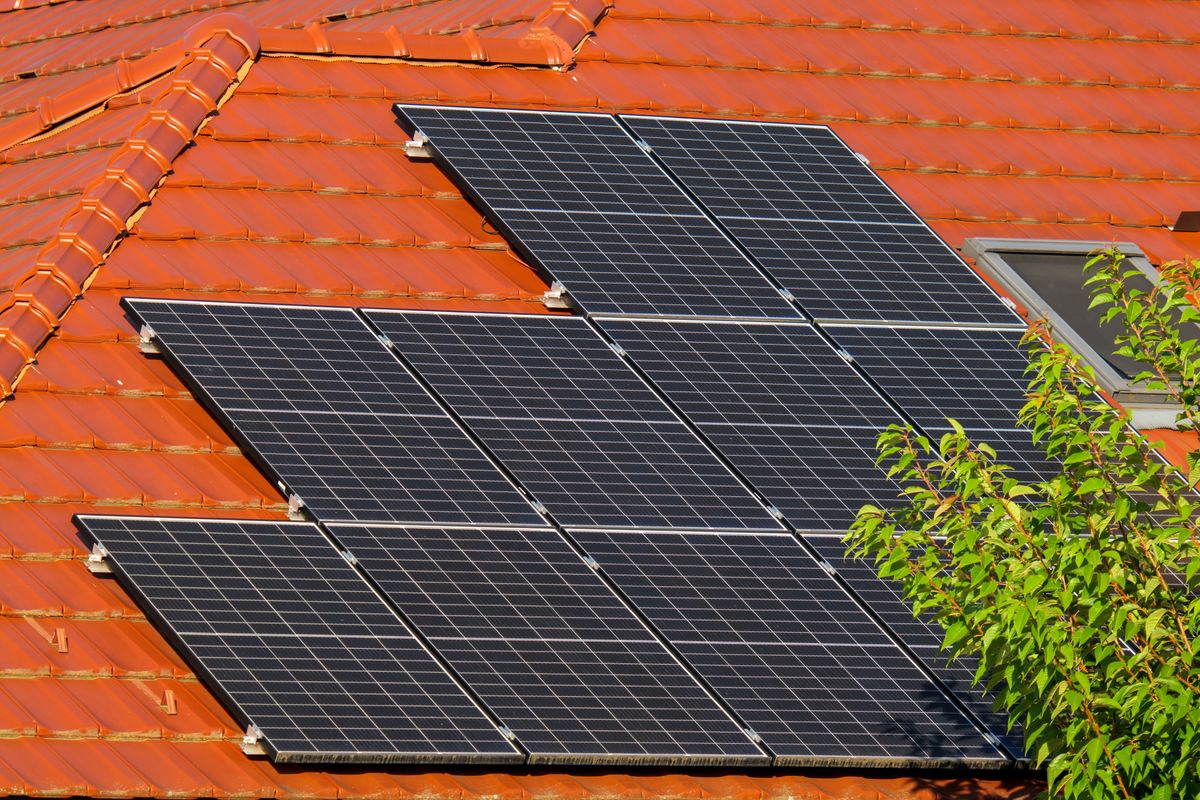
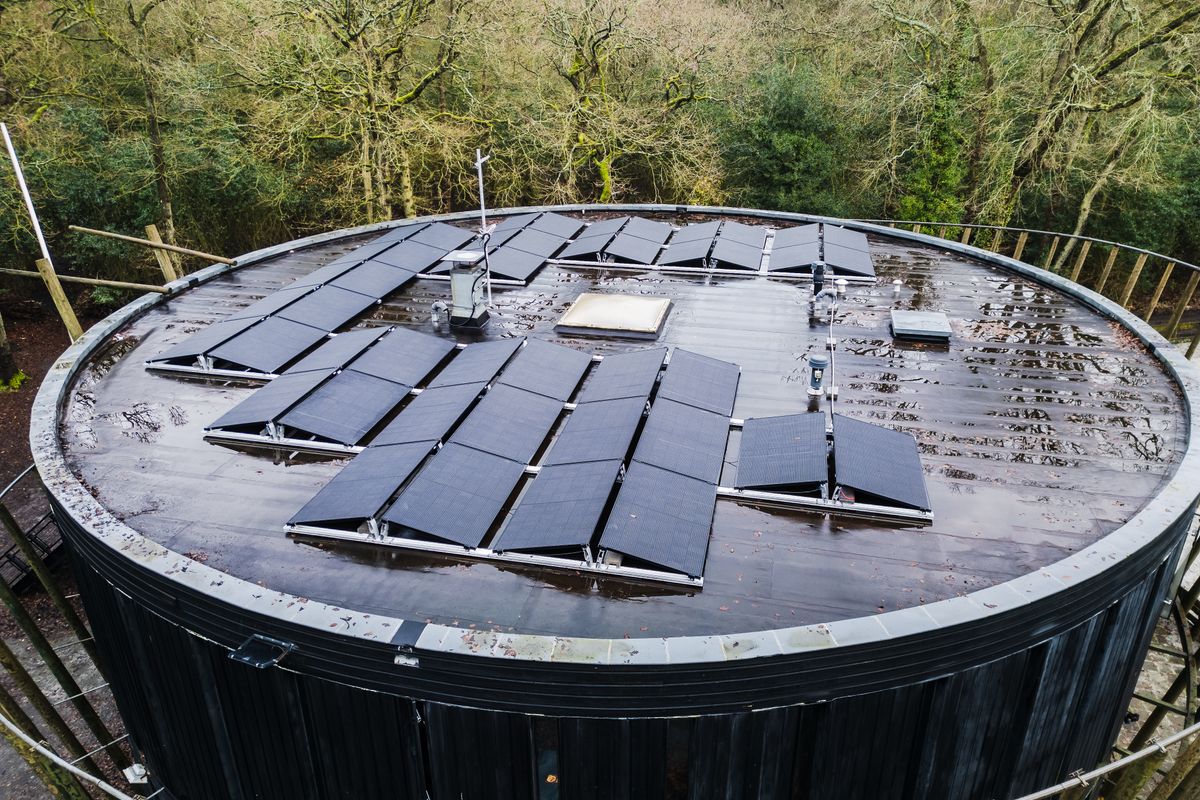
Short answer: Mount Pleasant solar panels lose output to the same Lowcountry stack every other surface here does - live-oak and pine pollen sitting on the glass, salt film carried in off Shem Creek and the harbor, and the marsh humidity that keeps both damp long after the last rain. A garden hose does not fix any of them; it usually pushes the film around and leaves streaks. We clean panels the safe way for this market: low pressure, purified (deionized) water, a soft-bristle brush, and working around the roof or ladder racking without setting weight on a module. That brings production back without scratching the glass or voiding the manufacturer warranty.
Why Mount Pleasant panels lose output faster than the brochure assumes
A system on a roof in Old Village or Park West is not being hit by generic dust. East Cooper homes get a heavy seasonal coat of oak and pine pollen in spring, a fine grit off the marsh grass and mudflats, and a salt haze from the tidal creeks that dries to a faint film on the glass. All three sit on top of the sunlight instead of letting it through, and the output drop shows up in the app before the panel looks obviously dirty to the eye.
The second reason is moisture. Mount Pleasant stays humid long after nearby inland suburbs have dried out, and panels near the tree line or close to a gutter run stay wet longer. That makes pollen and salt cling harder, and it also encourages a thin organic film to set up on the mounting hardware and lower edge of the glass. The panel is not dead; it is wearing a coat it did not ask for.
Old Village and Park West need different timing
People treat Mount Pleasant as one neighborhood, but the solar calendar here is not one calendar. The older homes near Old Village, Shem Creek and the harbor are surrounded by mature hardwoods and salt marsh air twice a day. They see more pollen and salt haze than the newer homes in Park West, Carolina Park or Snee Farm, and their arrays often need attention sooner after spring. The newer subdivisions have cleaner air, but they are also more likely to have lots still maturing, so oak and pine shade can drop debris right onto a south-facing array during the season of maximum production.
The tide schedule matters more than people expect. A wash scheduled right after a stretch of low tide, when the marsh exposure is heaviest, is the worst window for a panel that has just been cleaned. On the other hand, treating a system after the spring pollen drop and before the summer heat peak is the window where the output gain shows up fastest. The difference between a clean that holds for months and one that looks dull again in weeks is often less about the cleaner than about matching the visit to that moisture pattern.
Why pressure is the wrong lever on glass
Solar glass is tough against weather, but it is not invincible. High pressure near a close angle can force water behind the edge seal, scratch or etch the anti-reflective coating, and leave a stress pattern that shows up as a faint haze when the sun is low. The safe method is low pressure with purified water, which lifts the film without pressing anything into the surface or driving moisture behind the laminate.
Deionized or purified water matters here because Mount Pleasant's supply leaves mineral residue when it dries on glass. If you rinse with ordinary tap water and let it dry on the panel in the sun, you trade pollen streaks for calcium streaks. The end result can look worse than before you started, even though the panel is technically cleaner. We finish with purified water so the rinse leaves no second layer behind.
What a proper solar visit looks like
The job starts with what is around the array, not the glass itself. Plants under or beside the array get pre-wetted before anything is applied, and rinsed again afterward so cleaner does not sit on foliage. The roof edge, flashing, penetrations and any skylights are protected from overspray. We inspect for bird or squirrel nesting, loose conduit, and debris sitting in the lower rail before any rinse begins, because that is the moment to catch a maintenance issue before it turns into an electrical or animal-damage call later.
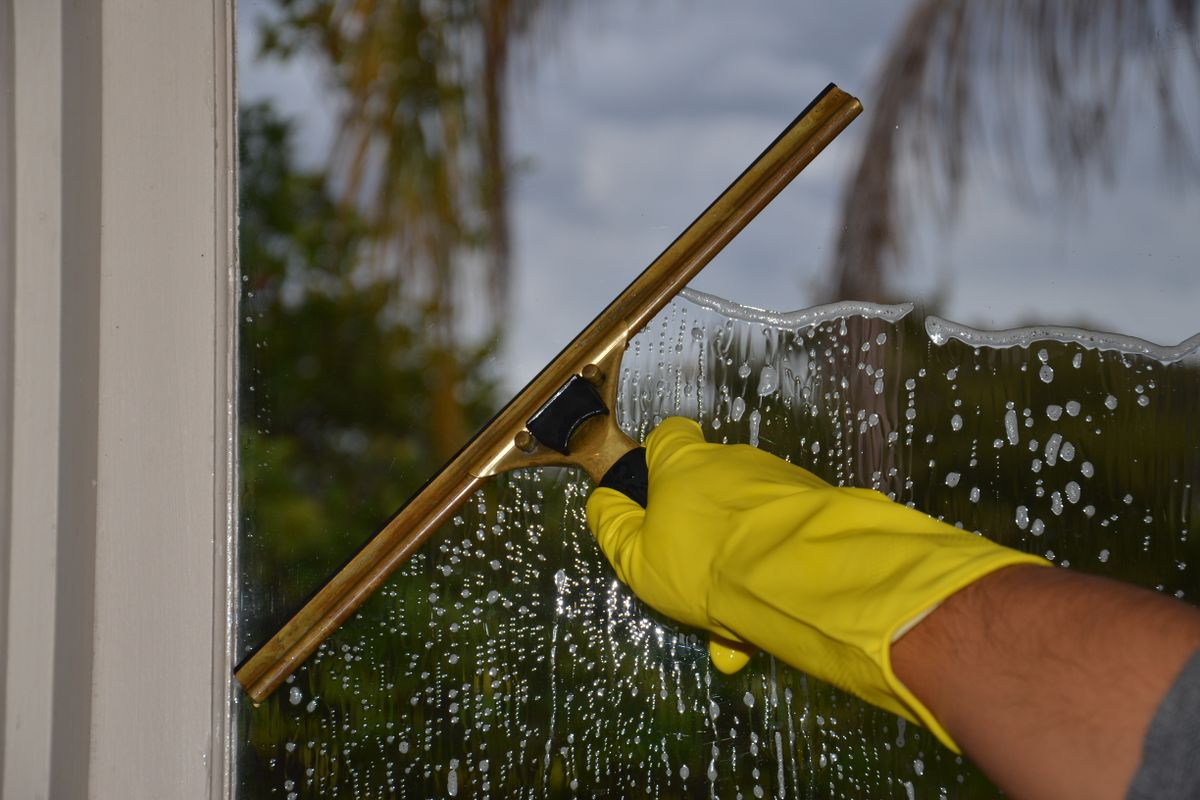
The actual cleaning is done section by section, not across the whole array at once, so nothing dries on the glass while we work. A soft-bristle brush lifts the film without abrading the panel, and the purified-water rinse leaves the surface clear enough that the production meter looks different the same afternoon. We do not walk on the modules, do not set weight on the racking where it was not designed to carry it, and do not use any cleaner that needs a rinse hot enough to risk a thermal shock on aged glass or a worn seal.
How often should Mount Pleasant panels be cleaned
Most solar systems in this market benefit from two cleanings a year: once after the heavy oak and pine pollen drop in late spring, and once after the fall leaf and acorn season before winter reduces production. Arrays under heavy tree canopy, on a roof with low morning sun, or backing onto marsh often want a mid-summer spot clean, because that is exactly when lost output costs the most money. A simple test is the same as any other surface: if you can write your initials in the film on the glass, it is time.
Why this is not a DIY-first job
Homeowners can rinse a ground-level array with a garden hose, and that is better than nothing for light pollen. But a ground hose does not remove salt film, it does not reach safely past roof edges and flashing, and it usually leaves minerals behind on the glass. A roof also changes the risk calculation: ladder placement, roof pitch, electrical components, and attic penetrations all deserve a crew that already knows Lowcountry roofing details instead of treating every panel job like a window job with a longer pole.
Pairing this with other services
Solar cleaning often belongs on the same visit as a roof wash or gutter service when the roof is already being accessed. If the array sits above a roof that is streaking, or if the gutters above it are full of oak and pine debris, those are the jobs that should be cleared first so runoff does not redeposit grime onto the glass the next time it rains. Our Mount Pleasant roof cleaning and Mount Pleasant gutter brightening are commonly booked alongside a panel cleaning for that reason, and it is usually cheaper than scheduling them in different seasons.