(843) 258-4367

Solar Panel Cleaning in Charleston, SC — Call (843) 258-4367

The live-oak canopy over the peninsula drops pollen, catkins and bird droppings straight onto your array, and the harbor air lays a salt film the Lowcountry sun bakes onto the glass - both sit on top of your sunlight and quietly cut output. Call (843) 258-4367 now for a flat, upfront solar panel cleaning quote in Charleston.

Licensed & insuredUpfront pricingSatisfaction guaranteedSoft-wash safe

Free instant quote

Get your price in minutes

Why Charleston homeowners call first for solar panel cleaning

Charleston solar panels lose output to pollen and salt - not the weather

<p>Most Charleston solar owners do not notice the output drop right away, because the system still runs - it just runs at a number below its nameplate. The loss comes from two Lowcountry-specific films sitting on top of the glass instead of bouncing light through it. First, the live-oak canopy that shades so many peninsula and barrier-island roofs drops a heavy coat of pollen and catkins each spring, and those grains bake onto the glass in the first hot spell after they land - a hose rinse smears them across the surface instead of lifting them. Second, the air moving off the Ashley, the Cooper and the tidal marsh carries a fine salt and silt haze that settles onto every south- and west-facing array and dries in place. Rain reroutes around a film like that instead of removing it, so a panel that looks merely dusty to the eye is actually running at a measurable deficit. We clean the glass safely - low pressure, deionized water, and a soft-bristle brush worked from the roof edge or a ladder, never setting weight on a module or its racking. That lifts the film without scratching the coating, voiding the manufacturer warranty, or risking the slate, metal, or aged shingle roof the array sits on.</p><p>On a Charleston roof the method matters as much as the date. Panels under heavy tree canopy or close to the marsh want attention after the spring pollen has finished falling and again after the fall leaf season, and a roof that sits in full sun can usually hold between cleanings longer. The honest question to ask before anyone shows up is whether the roof is safe to access - a steep slate roof on a South of Broad single house is not the same surface as a low-pitch rack on a Mount Pleasant spec home, and we will not walk a roof that needs separate treatment. A clean array brought back to full production is the goal, and if a panel is damaged - a cracked cell, a lifting frame, or water already working into the seal - we flag it before you owe anything rather than sell a rinse as a repair.</p>

Call (843) 258-4367

Charleston solar panel cleaning is quoted flat and up front after we see the roof. Tell us the panel count, the tilt, and what roof it sits on and we hand you a number before any work starts.

Pollen + salt, not weather

A garden hose rinses loose dust but does not remove the tacky pollen film or the salt haze Charleston's coastal air lays down on glass. The output gain shows up the same afternoon when the cleaning is done right.

Roof-safe access

We work from the edge, the ridge, or a ladder and never set weight on a module. A fragile Lowcountry roof - aged shingle, slate, or standing-seam metal - is matched to a low-pressure, no-walk method, not a generic rinse.

No warranty risk

Deionized water and a soft brush lift the buildup without abrasion, so the glass and its coating are protected and the manufacturer warranty stays intact.

Licensed & insured

Every Charleston visit is done by bonded professionals who take down their setup notes and leave the property the way they found it - including rinsing any nearby plantings afterward.

Call (843) 258-4367

Lowcountry Pressure Washing provides professional pressure washing in Charleston, SC. Upfront, flat pricing and workmanship you can count on. Get a fast, no-obligation quote today.

Solar Panel Cleaning · Charleston, SC

Professional solar panel cleaning in Charleston

Solar Panel Cleaning for your Charleston property

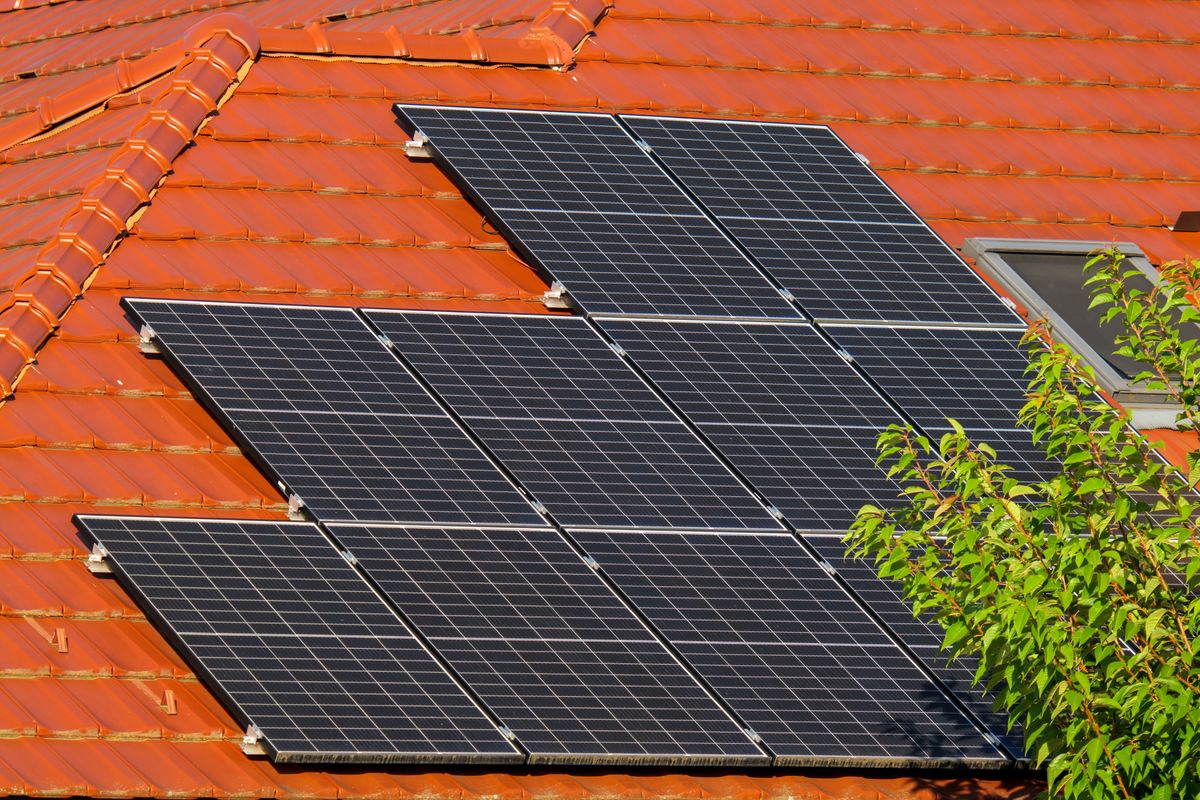
Arrays on peninsula rooftops sit under mature live oaks that drop pollen, catkins and droppings straight onto the glass, quietly cutting output. We rinse gently with low pressure, deionized water and soft brushing, working around the mounts and never walking the panels, so production comes back without risking the roof below.

Charleston, SC at a glance

Charleston's historic peninsula, from South of Broad to the harbor and the neighborhoods along the Ashley and Cooper rivers, sits in warm, salt-laden Lowcountry air. That humidity, heavy spring pollen, and marsh air feed mildew and algae on clapboard, stucco, brick, and slate and metal roofs. Because so many homes here are historic, gentle soft-washing - never high pressure on old mortar and wood - is the right way to keep them clean.

Care for the aging piazzas and lime-stucco facades below Broad follows the same soft-touch preservation standard championed by the Historic Charleston Foundation.

Exterior work on a protected downtown property often runs through the historic-district review overseen by the City of Charleston.

The peninsula's architectural heritage is the same one celebrated a few blocks up Meeting Street at the Gibbes Museum of Art.

Solar Panel Cleaning in Charleston, SC

How we get solar panel cleaning right

Solar makes sense under the Lowcountry sun, but Charleston does its best to coat your panels. Oak pollen blankets everything each spring, salt air leaves a mineral film, and the dust and bird droppings that settle under the live oaks all block light and quietly cut your output. Dirty panels can lose a meaningful share of their production, and a rinse from below rarely reaches the grime baked onto the glass. We clean panels gently, using low pressure and deionized water with soft brushing so we lift the buildup without scratching the surface or voiding a manufacturer warranty. On rooftops across James Island, Johns Island, Summerville and Mount Pleasant, a periodic cleaning keeps the array producing the way it was sized to. We work carefully around the mounts and wiring and never walk or pressure the panels themselves, protecting both your roof and your investment.

Every Charleston job starts with an upfront, flat quote and finishes with workmanship you can count on.

Solar Panel Cleaning service in Charleston, SC

Short answer: Charleston panels lose output to two things a garden hose never fixes - the live-oak pollen that blankets every roof each spring and the salt film the harbor air lays down on the glass. Both sit on top of the sunlight instead of bouncing it, and both are exactly the kind of grime the Lowcountry is known for. We clean panels the safe way: low pressure, purified (deionized) water and a soft-bristle brush, working around the racking from the roof edge or a ladder and never setting weight on a module. It is the method that restores output without scratching the glass or voiding the manufacturer's warranty.

Why a Charleston array gets dirty in a way other cities do not

Most of the country thinks of solar panels as self-cleaning - rain washes the dust off and the angle sheds the water. That arithmetic breaks down on the Lowcountry coast because Charleston deposits three layers the rain cannot lift. The first is the spring live-oak and sweetgum pollen, a tacky yellow film that lands in a wave from roughly late March through May and sticks to the glass until something removes it. The second is salt air: the harbor, the Ashley and Cooper and the tidal marsh put a fine mineral haze into the air that settles onto the glass day and night, dries in place, and builds a cloudy film that dulls the surface the way a frosted window dulls light. The third is the organic layer - bird droppings from the gulls and doves that perch on the eaves, and the fine film of mildew and algae that grows where the glass stays damp in shade. None of those three wash off in a rain shower, because rain hits a dirty panel and just reroutes around the film, and a standard pressure washer makes it worse by driving grit across the glass.

The two enemies of Charleston production: pollen season and the salt film

The live oak is practically the emblem of Charleston, and it is also the single biggest thing robbing the region's solar arrays of output. When the oak pollen drops in the spring it does not land evenly - it drifts onto the panels on the side of the roof facing the trees and into the valleys, then bakes on in the first hot spell. A panel under the oaks can lose a meaningful share of its production before anyone notices, because the loss is gradual and the system still generates. The salt film is the quieter problem. The same marine air that keeps the harbor green lays a mineral coating on the glass that reduces how much light reaches the cells and, left for a full season, can contribute to micro-corrosion along the cell edges on arrays that sit close to the water. Neither problem shows up on the bill right away, which is why so many owners discover it only after a cleaning brings the number back up.

What a proper solar panel clean involves on a Charleston roof

Solar panel cleaning is not pressure washing, and treating it like one is how glass gets scratched and warranties get voided. A correct clean works in stages:

  • Low pressure, never a fan of hard water. We rinse with deionized water - water stripped of the minerals that leave spots and that re-deposit the very film we are removing - at a pressure gentle enough not to force water under the frame or around the junction boxes.
  • Soft-bristle brushing with a handle, not a scouring pad. The brush lifts the pollen and the organic film off the glass, and because it is soft it cannot etch the surface the way a grit-loaded pressure pass or a dry wipe can.
  • We work around the racking, not on it. We clean from the roof edge, the ridge access, or a ladder, reaching the panels with the brush and rinse and never stepping onto a module - panels are not rated to carry a person, and a cracked cell is an expensive repair.
  • The underside edges and the frame are part of the job. Pollen and droppings collect where the panel meets the frame, and clearing those lines keeps them from holding moisture against the seal.
  • Wiring, microinverters and conduit get left alone. We do not disconnect, pull or spray into electrical gear; the clean is on the glass surface only, which is the part that affects output.

That last point is where most of the caution lives. The roof itself - the shingle or tile the array sits on - is not what we are cleaning, and if it needs attention it is a separate roof cleaning. Solar panel cleaning is deliberately scoped to the modules and their frames, so nothing electrical is disturbed and nothing under the array is put at risk.

Warranty-safe, roof-safe: how the Lowcountry method protects your investment

A solar array is a ten-to-twenty-year investment, and the two things that shorten its life are a scratched glass surface and water driven where it does not belong. A hand-held pressure wand held close to a dirty panel is exactly how both happen: it fires grit across the glass, and it can lift the edges of the panel and push water into the frame, the junction box or the racking penetrations. Our method is built around neither of those. Low pressure plus deionized water plus a soft brush cleans the surface without abrasion, and because we keep the pressure down we never force water under the modules. The approach also protects the roof underneath - on a Charleston roof with a steep pitch or a fragile surface like tabby, tile or aged shingle, walking the roof to clean panels is its own risk, and we keep that weight off wherever we can. Where an array sits on a historic home or a roof that is not safe to stand on, we clean from ladder height and the eaves, keeping both the modules and the structure free of strain; the wider principle behind that restraint - choosing the gentle method over the fast one on anything old or fragile - is laid out in our note on preserving old brick, stucco and delicate roofing.

How often Charleston panels actually need cleaning

Twice a year is the honest baseline for a Charleston-area array, with the timing set by the Lowcountry calendar rather than a calendar month. The high-priority clean is in late May or early June, immediately after the live-oak pollen has finished falling - that is the single most important wash of the year because it lifts the layer that has been cutting production through the peak-sun months. A second clean in the late fall clears the summer's salt film, the droppings and the debris the early-winter rains bring down, so the array goes into the shorter, lower-sun season as clean as possible. Homes under a heavy oak canopy, close to the marsh, or with panels at a low tilt that holds debris may want a third visit, and after a stretch of heavy pollen or a storm that blows salt and grit across the roof it is worth a check rather than waiting. This is the same practical rhythm we describe in our guide to Lowcountry humidity, pollen and mildew, and it follows the timing we recommend for the rest of the exterior in what to wash after Charleston pollen season.

It fits naturally with the rest of the exterior

An array sits on the same roof and the same home as everything else we clean, and a solar panel visit pairs cleanly with the surrounding work. While the modules are being cleaned from the ridge or a ladder, the same trip can take care of gutter brightening on the black oxidation stripes the salt air leaves along the eaves, window cleaning for the glass filmed with the same marine haze, or a soft-wash house wash on the walls below. Booked to the same visit these usually cost less than running them apart, and each line is priced for what it actually is. For a full picture of what drives the price of exterior cleaning in Charleston - including how panel cleaning is quoted against the number and tilt of the modules - see our Charleston pressure washing cost guide.

What it costs and what stays in the number

Solar panel cleaning is quoted flat and up front against a named scope: the number of panels, the tilt and how high they sit, whether they are on a steep-pitch roof or close to the eaves, and how heavy the buildup is. It is held to that number, so the price does not move because a back section turned out filthier than it looked from the ground. If a panel turns out to be damaged - a cracked cell, lifting frame, or water already working into the array - we tell you before you owe anything rather than discover it on the day. We are also straight about the limit of what cleaning can do: a panel that has lost output to long-term micro-corrosion or a failed component will not be brought back by a wash, and we say so honestly rather than selling a clean as a repair. A clean array at full output is the goal, and the honest range for the work in Charleston is covered in our cost guide so you can see the figure before you pick up the phone.
What we do

From driveways to roofs, we make it shine

Soft-wash and pressure washing for every exterior surface - homes, brick, concrete, porches, and businesses across Charleston and the Lowcountry.

House Washing in Charleston

House Washing

Gentle soft washing that lifts Lowcountry salt film and mildew from Charleston stucco, brick and Hardie siding.

Driveway Pressure Cleaning in Charleston

Driveway Pressure Cleaning

Surface cleaning that erases oak-pollen stains and marsh-humidity algae from Charleston driveways and tabby walkways.

Roof Cleaning in Charleston

Roof Cleaning

Low-pressure roof soft washing that kills the black Gloeocapsa streaks Charleston humidity breeds year-round.

Deck & Patio Cleaning in Charleston

Deck & Patio Cleaning

Call (843) 258-4367 for deck cleaning and patio cleaning in Charleston: careful wood, paver and piazza washing that clears mildew from shaded Lowcountry outdoor spaces.

Gutter Brightening in Charleston

Gutter Brightening

Exterior gutter brightening that strips the black oxidation streaks salt air leaves on Charleston homes.

Commercial Washing in Charleston

Commercial Washing

Storefront and sidewalk washing for King Street, Coleman Boulevard and Charleston commercial properties, scheduled around business hours.

Window Cleaning in Charleston

Window Cleaning

Streak-free window and salt-haze removal for Charleston homes facing the harbor, marsh and Atlantic breeze.

Solar Panel Cleaning in Charleston

Solar Panel Cleaning

Gentle solar-panel rinsing that clears pollen and salt residue robbing Lowcountry roofs of output.

Pool Deck & Patio in Charleston

Pool Deck & Patio

Non-slip cleaning for Charleston pool decks, screened lanais and coping under heavy live-oak shade.

Paver Sealing in Charleston

Paver Sealing

Cleaning and sealing that protects Lowcountry paver drives and patios from salt, weeds and humidity.

How it works

Done in three easy steps

1

Tell us what to clean

Call or send a quick photo for a fast, no-obligation quote.

2

We give an upfront price

Clear, flat pricing before we start - no surprises.

3

We make it shine

We show up on time, blast the grime, and leave it spotless.

Free estimate

Get your fast quote

Tell us what needs cleaning in Charleston — we’ll reach out right away.

What we stand behind

How every job is handled

The price is set before we start

We quote the whole job flat and up front. What you agree to is what you are billed, even if the Lowcountry humidity means the growth is thicker than it looked from the driveway.

Licensed, insured professionals

Work is done by licensed and insured people who are answerable for the result and for the condition they leave your property in.

We will come back

If something is not up to standard, tell us and we will return to correct it. A callback is part of the job, not a favor.

FAQ

Questions, answered

How much does solar panel cleaning cost in Charleston, SC?

Charleston solar panel cleaning is quoted flat and up front against the array: panel count, roof height and pitch, and how heavy the pollen/salt buildup is. A typical peninsula array runs $150-350, and the number is locked before we show up - no hourly meter and never a surprise. Call (843) 258-4367 for a fast number.

Will cleaning my Charleston panels actually restore output?

Yes, when the loss is from surface film. Spring oak pollen and harbor salt haze sit on top of the glass and cut the light reaching the cells; a deionized-water clean lifts them back out of the light path and the production meter reads the difference the same day. It will not fix a panel that has lost output to long-term micro-corrosion or a failed component, and we will say so before you pay.

Can I clean Charleston solar panels myself?

A ground-level hose reaches loose dust but it does not remove the tacky pollen film or the salt haze that builds up under the eaves, and a ladder-and-pressure approach risks walking the roof and scratching the glass. On a Lowcountry roof - especially an older Charleston single-house with slate or aged shingles - safe access is the whole job, so it is worth booking a crew that brings the right method.

Will pressure washing hurt my solar panels?

High pressure near the frame can force water behind the edge seal and can scratch the anti-reflective coating, which is why we never treat solar cleaning like a pressure wash. We use low pressure with purified water and a soft brush, keeping the chemistry and the force gentle enough for the glass and the roof it sits on.

How often should Charleston solar panels be cleaned?

Twice a year is the honest baseline: once after the spring live-oak pollen has finished falling, and once after the fall leaf and acorn season. Arrays under heavy tree canopy, close to the marsh, or at a low tilt that holds debris may want a mid-summer check, and if you can write your initials in the film on the glass, it is time for another pass.

More in Charleston

Other services we offer

Let’s get your free quote started

Upfront, flat pricing and satisfaction guaranteed — get your free quote today.

Service area

Proudly serving Charleston, SC

Local pressure washing crews covering Charleston, SC and nearby communities. Care for the aging piazzas and lime-stucco facades below Broad follows the same soft-touch preservation standard championed by the Historic Charleston Foundation.

CallFree Quote